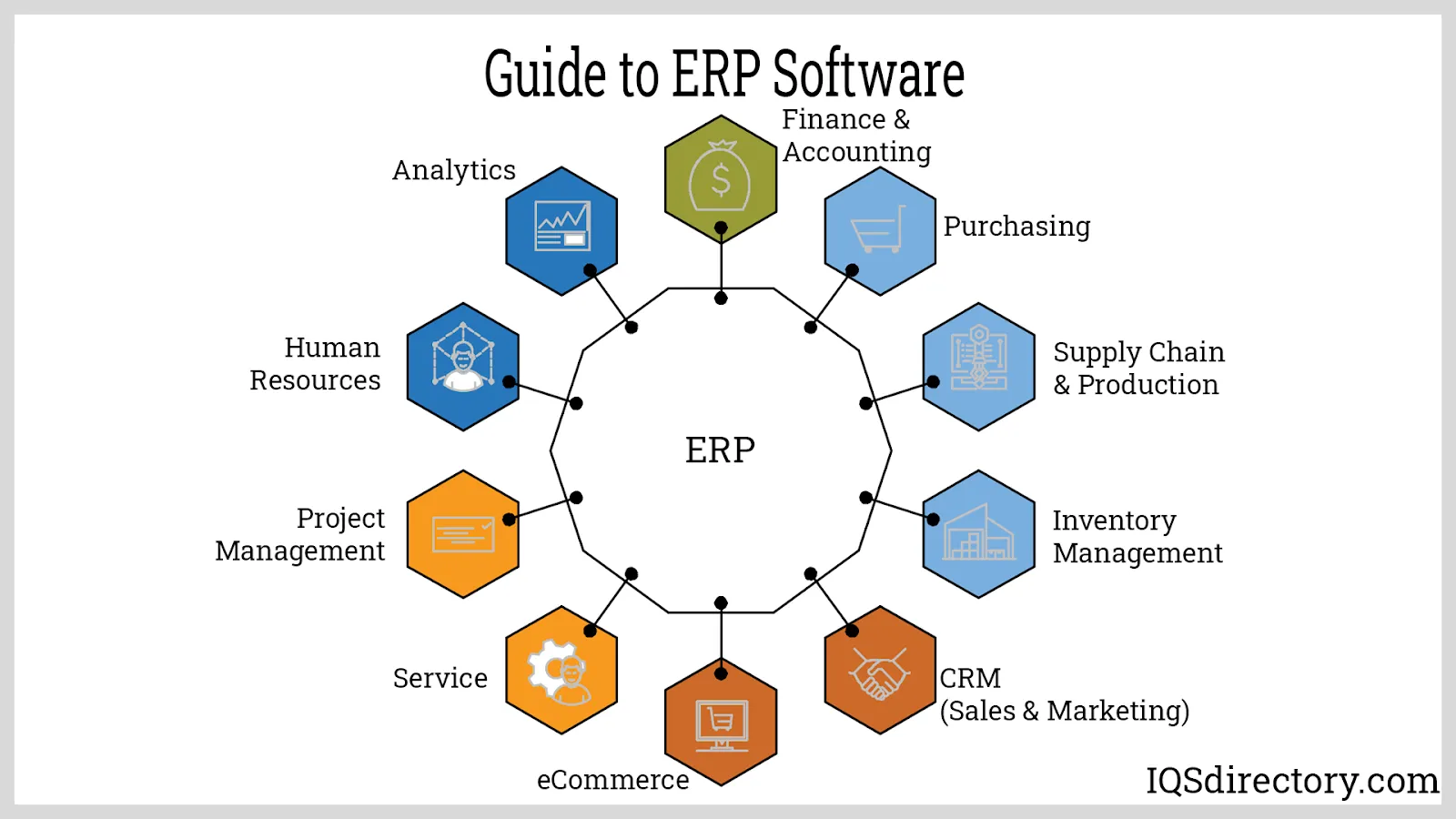
Hey there, have you ever wondered how cloud based ERP systems are transforming the manufacturing industry? With the rise of technology, businesses are now able to streamline their operations, improve efficiency, and enhance productivity through the use of cloud based ERP systems. These innovative solutions are revolutionizing the way manufacturers approach their processes, providing real-time data access, seamless collaboration, and improved decision-making capabilities. Let’s dive into how cloud based ERP systems are changing the game for manufacturing companies worldwide.
Benefits of Cloud-Based ERP for Manufacturing
Cloud-based ERP systems offer a wide range of benefits for manufacturers looking to streamline their operations and improve overall efficiency. One of the key advantages of using a cloud-based ERP system is the cost savings that come with it. Traditional ERP systems require significant upfront investment in hardware, software, and IT resources. With a cloud-based ERP system, manufacturers can reduce these costs significantly as they no longer need to worry about purchasing and maintaining expensive infrastructure.
Another benefit of using a cloud-based ERP system for manufacturing is the increased flexibility and scalability it offers. Cloud-based systems can easily scale to accommodate the changing needs of a manufacturing business, whether it’s expanding to new locations, adding new products, or increasing production capacity. This scalability allows manufacturers to adapt quickly to changes in the market and stay ahead of the competition.
One of the most significant advantages of cloud-based ERP systems is the accessibility they provide. With a cloud-based system, manufacturers can access their data and applications from anywhere with an internet connection, allowing for real-time collaboration and decision-making. This accessibility is especially valuable for manufacturers with multiple locations or remote workers, as it enables seamless communication and collaboration across the entire organization.
Cloud-based ERP systems also offer improved security compared to traditional on-premise systems. Cloud providers invest heavily in security measures to protect their clients’ data, including encryption, firewalls, and intrusion detection systems. This high level of security gives manufacturers peace of mind knowing that their sensitive information is safe and protected from cyber threats.
Furthermore, cloud-based ERP systems provide manufacturers with increased visibility and control over their operations. These systems offer real-time data analytics and reporting capabilities, allowing manufacturers to monitor key performance indicators, track production processes, and make informed decisions based on accurate, up-to-date information. This increased visibility enables manufacturers to optimize their operations, reduce waste, and improve overall efficiency.
In conclusion, the benefits of using a cloud-based ERP system for manufacturing are numerous and far-reaching. From cost savings and scalability to improved security and accessibility, cloud-based ERP systems offer manufacturers a competitive edge in today’s fast-paced and rapidly changing marketplace. By embracing cloud technology, manufacturers can streamline their operations, increase efficiency, and drive business growth.
Implementation Process of Cloud-Based ERP in Manufacturing
Implementing a cloud-based ERP system in a manufacturing environment involves a series of steps to ensure a smooth transition and successful integration of the new software. The following detailed process outlines the key stages of implementing a cloud-based ERP solution in a manufacturing setting.
1. Planning: The first step in implementing a cloud-based ERP system is to create a detailed plan that outlines the goals, timelines, and resources needed for the project. This involves conducting a thorough assessment of the current processes, identifying areas for improvement, and defining the specific requirements for the ERP system.
2. Selection of ERP Vendor: Once the planning stage is complete, the next step is to choose a suitable ERP vendor that offers a cloud-based solution tailored to the manufacturing industry. It is essential to consider factors such as the vendor’s reputation, experience, support services, and the flexibility of their system to meet the unique needs of a manufacturing business.
3. Data Migration: Migrating data from existing systems to the cloud-based ERP platform is a critical phase of the implementation process. This involves transferring all relevant data, such as customer information, inventory records, and production schedules, to the new system while ensuring data accuracy and integrity.
4. Training and Education: Proper training and education are essential for the successful adoption of a cloud-based ERP system. Manufacturing staff at all levels should receive comprehensive training on how to use the new software effectively and efficiently. This may involve workshops, online tutorials, and ongoing support to ensure a smooth transition.
5. Customization and Configuration: Customizing the cloud-based ERP system to align with the specific needs of a manufacturing business is crucial for maximizing its effectiveness. This involves configuring the software to accommodate unique workflows, data structures, and reporting requirements to streamline operations and improve overall efficiency.
6. Testing and Validation: Before fully deploying the cloud-based ERP system, rigorous testing and validation are necessary to ensure that the software functions as intended and meets the company’s requirements. This may involve running simulations, conducting user acceptance testing, and resolving any potential issues or bugs before going live.
7. Go-Live and Support: The final stage of the implementation process is to go live with the cloud-based ERP system and provide ongoing support to users. It is essential to monitor the system’s performance, address any issues promptly, and continuously optimize the software to achieve the desired outcomes and benefits for the manufacturing business.
By following these key steps in the implementation process of a cloud-based ERP system, manufacturing companies can effectively leverage the power of technology to streamline their operations, improve efficiency, and drive business growth in today’s competitive landscape.
Challenges to Consider when Transitioning to Cloud-Based ERP
Transitioning to a cloud-based ERP system can bring numerous benefits to manufacturing companies, such as increased flexibility, scalability, and cost savings. However, there are several challenges that organizations need to consider when making this transition. It’s important to address these challenges proactively to ensure a successful implementation of a cloud-based ERP solution.
The first challenge to consider is data security. Moving sensitive business data to the cloud can make some organizations nervous about the security of their information. It’s crucial to work with a reputable cloud service provider that offers robust security measures, such as encryption, access controls, and regular data backups. Additionally, companies should establish clear data security protocols and train employees on best practices to prevent unauthorized access to sensitive information.
Another challenge to keep in mind is the integration of existing systems with the new cloud-based ERP solution. Manufacturing companies often have a mix of legacy systems that need to be integrated with the new cloud platform. This can be a complex process that requires careful planning and testing to ensure seamless data flow between systems. Working with experienced ERP consultants can help streamline the integration process and minimize disruptions to the business operations.
One of the major challenges in transitioning to a cloud-based ERP system is the potential resistance from employees. Some employees may feel overwhelmed by the changes brought about by the new system and may resist adopting new processes and technologies. To overcome this challenge, companies should invest in thorough training programs to help employees understand the benefits of the cloud-based ERP system and how it will improve their daily tasks. It’s also important to involve employees in the decision-making process and address their concerns and feedback throughout the implementation.
Additionally, manufacturing companies need to consider the challenge of customization and scalability when transitioning to a cloud-based ERP system. Every manufacturing organization has unique business processes and requirements that may not be fully met by off-the-shelf ERP solutions. Companies should work closely with their ERP vendor to customize the system to meet their specific needs and ensure scalability as the business grows. Regular communication with the vendor and proactive monitoring of system performance can help address any customization issues and ensure the system continues to meet the organization’s evolving needs.
In conclusion, transitioning to a cloud-based ERP system for manufacturing companies presents several challenges that need to be carefully considered and addressed. By focusing on data security, system integration, employee training, customization, and scalability, organizations can successfully navigate the transition and unlock the full benefits of a cloud-based ERP solution.
Important Features to Look for in a Cloud-Based ERP System for Manufacturing
When selecting a cloud-based ERP system for manufacturing, there are several important features to consider that can greatly impact the efficiency and effectiveness of your operations. Here are some key features to look for:
1. Real-time Data Analytics: One of the most crucial features to look for in a cloud-based ERP system for manufacturing is real-time data analytics. This feature allows you to monitor and analyze key performance indicators (KPIs) in real time, providing you with valuable insights into your manufacturing processes. With real-time data analytics, you can quickly identify areas of improvement, optimize production processes, and make informed decisions to drive business success.
2. Inventory Management: Another important feature to consider is robust inventory management capabilities. A cloud-based ERP system with advanced inventory management functionality can help you optimize inventory levels, track stock movements, and prevent stockouts or overstock situations. This feature is essential for streamlining operations, reducing costs, and improving customer satisfaction.
3. Production Planning and Scheduling: Efficient production planning and scheduling are critical for maximizing operational efficiency and meeting customer demands. Look for a cloud-based ERP system that offers advanced production planning and scheduling tools, such as visual production calendars, capacity planning, and automated scheduling algorithms. These features can help you optimize production processes, minimize downtime, and improve on-time delivery performance.
4. Mobile Access: In today’s fast-paced manufacturing environment, having the ability to access your ERP system from anywhere, at any time, is essential. Look for a cloud-based ERP solution that offers mobile access, allowing you and your team to securely access system functionalities from smartphones or tablets. With mobile access, you can stay connected, make quick decisions on the go, and keep operations running smoothly, even when you’re away from the office.
By carefully evaluating these important features in a cloud-based ERP system for manufacturing, you can choose a solution that meets your specific requirements and helps you achieve greater operational efficiency, productivity, and profitability. Don’t underestimate the importance of selecting the right ERP system for your manufacturing business – it can make a significant difference in your overall success.
Case Studies of Successful Implementations of Cloud-Based ERP in Manufacturing Sector
Implementing a cloud-based ERP system in the manufacturing sector has proven to be a game-changer for many companies. Let’s take a look at some real-world case studies of successful implementations:
1. Company ABC: Company ABC, a medium-sized manufacturing company, was struggling with outdated legacy systems that were causing inefficiencies in their operations. They decided to switch to a cloud-based ERP solution to streamline their processes. The implementation was smooth, and they saw immediate improvements in inventory management, production planning, and overall efficiency. Within a few months, Company ABC reported a significant increase in productivity and cost savings.
2. Company XYZ: Company XYZ, a large manufacturing conglomerate, was facing challenges in managing multiple facilities spread across different locations. They turned to a cloud-based ERP system to centralize their operations and provide real-time visibility into their supply chain. The implementation was complex due to the scale of their operations, but with proper planning and support from the ERP provider, Company XYZ successfully integrated the system across all their facilities. As a result, they were able to optimize their production schedules, reduce lead times, and improve overall collaboration between teams.
3. Company DEF: Company DEF, a small family-owned manufacturing business, was looking to modernize their operations without breaking the bank. They opted for a cloud-based ERP system that offered scalability and flexibility for their growing business. The implementation process was straightforward, and the system was easy to use for their employees. Company DEF saw an immediate improvement in order accuracy, lead times, and customer satisfaction. The cloud-based ERP solution also allowed them to access real-time data analytics, helping them make better-informed business decisions.
4. Company LMN: Company LMN, a specialized manufacturer with unique product requirements, needed a customized ERP solution to meet their specific needs. They chose a cloud-based ERP provider that offered tailored solutions for their industry. The implementation process involved extensive customization and integration with their existing systems. Despite the complexity of the project, Company LMN was able to successfully launch the system without any major disruptions to their operations. The new ERP system improved their production efficiency, reduced errors in order processing, and enhanced their customer service capabilities.
5. Company PQR: Company PQR, a mid-sized manufacturing company, was facing stiff competition in the market and needed to innovate their processes to stay ahead. They decided to invest in a cloud-based ERP system that offered advanced features such as predictive analytics and IoT integration. The implementation was initially challenging due to the learning curve for their employees, but with training and support from the ERP provider, Company PQR was able to fully utilize the capabilities of the system. The new ERP system helped them optimize their production processes, identify cost-saving opportunities, and deliver products to customers faster. As a result, Company PQR saw a significant increase in their market share and profitability.
These case studies demonstrate the positive impact of cloud-based ERP systems on manufacturing companies of all sizes. By leveraging the scalability, flexibility, and advanced features of cloud-based ERP solutions, manufacturers can streamline their operations, improve efficiency, and stay competitive in today’s fast-paced market.
Originally posted 2025-08-22 21:42:56.