Cloud ERP Solutions for Manufacturers: Streamlining Operations and Boosting Efficiency
Welcome to the world of Cloud ERP solutions for manufacturers, where modern technology meets the age-old industry of manufacturing. In today’s fast-paced global economy, manufacturers are constantly looking for ways to streamline their operations and boost efficiency. Cloud ERP solutions offer a reliable and scalable platform for manufacturers to manage their entire production process, from inventory management to supply chain logistics. With the ability to access real-time data and analytics anytime, anywhere, manufacturers can make informed decisions quickly and stay ahead of the competition. Let’s explore how Cloud ERP solutions are revolutionizing the manufacturing industry.
Benefits of Cloud ERP for Manufacturers
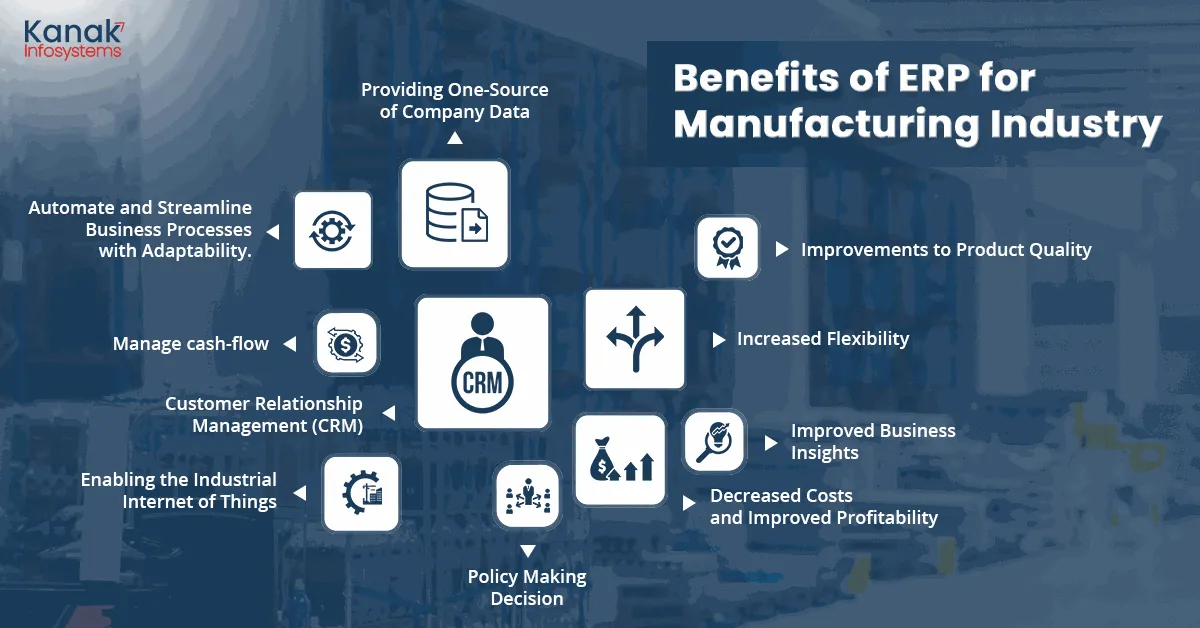
Cloud ERP (Enterprise Resource Planning) systems offer a multitude of benefits for manufacturers looking to streamline their operations and improve efficiency. One of the key advantages of using a cloud-based ERP system is the accessibility it provides. With traditional ERP systems, manufacturers often had to invest in expensive on-premise hardware and software, which limited accessibility to certain users. However, with a cloud ERP system, employees can access the system from anywhere with an internet connection, making it easier for them to collaborate and stay updated on the latest developments in real-time.
Another benefit of using a cloud ERP system for manufacturers is the cost savings it can provide. With a cloud-based system, manufacturers no longer have to worry about investing in expensive hardware or software upgrades, as these are all managed by the ERP provider. This can result in significant cost savings over time, as manufacturers can pay a monthly subscription fee for the services they need, rather than making a large upfront investment in software and hardware.
Cloud ERP systems also offer greater flexibility for manufacturers, as they can easily scale up or down depending on their business needs. This means that manufacturers can add new users or features to their ERP system as their business grows, without having to worry about expensive upgrades or additional hardware. Additionally, cloud ERP systems often come with a range of customizable features and modules, allowing manufacturers to tailor the system to their specific needs and processes.
One of the key benefits of using a cloud ERP system for manufacturers is the enhanced security it provides. Cloud ERP providers invest heavily in security measures to protect their users’ data from cyber threats and breaches. This means that manufacturers can rest assured that their sensitive information is safe and secure when stored in a cloud ERP system. Additionally, cloud ERP systems often come with built-in disaster recovery and backup solutions, ensuring that manufacturers can quickly recover their data in the event of a system failure or outage.
Overall, cloud ERP systems offer a wide range of benefits for manufacturers looking to improve their operations and increase efficiency. From enhanced accessibility and cost savings to greater flexibility and security, cloud ERP systems provide manufacturers with the tools they need to succeed in today’s competitive market.
Key Features to Look for in a Cloud ERP System
When choosing a cloud ERP system for your manufacturing business, it is important to consider the key features that will best suit your needs. Here are some of the top features that you should look for in a cloud ERP system:
1. Scalability: One of the main advantages of using a cloud ERP system is its scalability. As your manufacturing business grows, your ERP system should be able to grow with it. Look for a cloud ERP system that can easily scale up to accommodate an increase in users, transactions, and data volume without any disruptions to your business operations.
2. Customization: Another important feature to look for in a cloud ERP system is the ability to customize the software to fit your unique business processes. Every manufacturing business is different, and the ERP system you choose should be able to adapt to your specific requirements. Look for a cloud ERP system that offers a high degree of customization, allowing you to tailor the software to meet your exact needs.
3. Integration: A cloud ERP system should seamlessly integrate with other software applications that your manufacturing business relies on. Look for a cloud ERP system that offers easy integration with popular tools such as CRM systems, inventory management software, and e-commerce platforms. This will help streamline your business processes and improve efficiency.
4. Real-time data visibility: In the fast-paced world of manufacturing, having access to real-time data is essential for making informed business decisions. Look for a cloud ERP system that provides real-time visibility into key performance indicators, production schedules, inventory levels, and financial data. This will help you keep a pulse on your business operations and react quickly to any changes or issues that arise.
5. Mobile access: In today’s digital age, having access to your ERP system on-the-go is crucial for staying connected and productive. Look for a cloud ERP system that offers mobile access, allowing you to access important business data and reports from anywhere, at any time. This will help you stay in control of your manufacturing business even when you are not in the office.
6. Security: Protecting your sensitive business data is a top priority for any manufacturing business. Look for a cloud ERP system that offers robust security features, such as data encryption, user authentication, and backup and recovery capabilities. This will help ensure that your business data is safe and secure from cyber threats and data breaches.
By considering these key features when choosing a cloud ERP system for your manufacturing business, you can select a solution that will help you streamline your operations, improve efficiency, and drive growth. Don’t settle for a one-size-fits-all solution – choose a cloud ERP system that can be customized to meet your unique business needs.
Case Studies: Successful Implementation of Cloud ERP in Manufacturing Industry
Cloud ERP has proven to be a game-changer for the manufacturing industry, offering numerous benefits such as improved efficiency, cost savings, and increased visibility into operations. Let’s take a look at some case studies that showcase successful implementation of Cloud ERP in manufacturing companies:
1. ABC Manufacturing Company:
ABC Manufacturing Company, a leading player in the automotive industry, decided to transition to Cloud ERP to streamline their production processes and enhance collaboration between departments. By implementing a Cloud ERP solution, they were able to automate their inventory management, optimize production scheduling, and track real-time data on the shop floor. This resulted in a significant reduction in lead times, improved production efficiency, and better decision-making based on accurate data insights.
2. XYZ Electronics Inc.:
XYZ Electronics Inc., a manufacturer of consumer electronics, faced challenges in managing their complex supply chain and ensuring timely delivery of products to customers. They turned to Cloud ERP to centralize their operations, improve forecasting accuracy, and enhance communication with suppliers. With the implementation of Cloud ERP, XYZ Electronics Inc. was able to shorten lead times, reduce inventory levels, and achieve better coordination between production and logistics teams. This ultimately led to improved customer satisfaction and increased profitability for the company.
3. DEF Food Industries:
DEF Food Industries, a food processing company, struggled with manual processes and siloed systems that hindered their ability to scale operations and meet customer demands. To overcome these challenges, they decided to invest in a Cloud ERP solution that could provide a single source of truth for all their data and streamline their production processes. With Cloud ERP, DEF Food Industries experienced a significant improvement in production efficiency, reduced errors in order processing, and better traceability of raw materials. This enabled them to meet customer demands more effectively while maintaining high-quality standards.
In conclusion, these case studies demonstrate the transformative impact of Cloud ERP on the manufacturing industry. Companies that have successfully implemented Cloud ERP have been able to improve operational efficiency, enhance collaboration between departments, and ultimately drive business growth. As technology continues to advance, more manufacturing companies are likely to adopt Cloud ERP to stay competitive in today’s fast-paced market.
Challenges and Solutions in Adopting Cloud ERP for Manufacturers
Adopting Cloud ERP for manufacturers can bring numerous benefits, such as improved efficiency, cost savings, and better decision-making capabilities. However, there are also several challenges that companies may face when implementing this technology. Let’s take a closer look at some of these challenges and explore possible solutions:
1. Data Security Concerns:
One of the main concerns for manufacturers when moving their ERP system to the Cloud is data security. With sensitive information stored in the Cloud, there is always a risk of data breaches and cyber attacks. To address this challenge, manufacturers can implement strict security protocols, such as encryption, two-factor authentication, and regular security audits. Working with a trusted cloud ERP provider that has a solid track record in data security can also help mitigate the risk.
2. Integration with Legacy Systems:
Another challenge in adopting Cloud ERP for manufacturers is integrating the new system with existing legacy systems. This can be a complex and time-consuming process, as different systems may not be compatible with each other. To overcome this challenge, companies can opt for cloud ERP solutions that offer APIs for easy integration with other software applications. Working with an experienced ERP implementation partner can also help streamline the integration process.
3. Resistance to Change:
Resistance to change is a common challenge in any technology implementation, including Cloud ERP. Employees may be reluctant to adopt new systems and processes, especially if they have been using the same ERP system for years. To address this challenge, manufacturers can invest in training programs to help employees understand the benefits of the new system and how it can improve their workflows. Involving employees in the decision-making process and seeking their feedback can also help increase acceptance and adoption.
4. Scalability and Customization:
One of the key benefits of Cloud ERP is scalability, allowing manufacturers to easily add or remove users and resources as their business grows. However, customizing the system to meet specific business requirements can be a challenge. Some cloud ERP solutions may have limitations in terms of customization options, which can hinder manufacturers from fully leveraging the system’s capabilities. To overcome this challenge, companies should carefully evaluate their business needs and choose a cloud ERP solution that offers flexibility and customizable features. Working closely with the ERP provider to tailor the system to meet specific requirements can help ensure a successful implementation.
In conclusion, while there are challenges in adopting Cloud ERP for manufacturers, these hurdles can be overcome with careful planning, strategic implementation, and ongoing support. By addressing data security concerns, integrating with legacy systems, managing resistance to change, and ensuring scalability and customization, manufacturers can successfully harness the benefits of Cloud ERP to drive business growth and innovation.
Future Trends in Cloud ERP for Manufacturers
Cloud ERP for manufacturers is an ever-evolving technology that continues to shape the future of the industry. As advancements are made in cloud computing, artificial intelligence, and machine learning, manufacturers can expect to see several trends emerge in the coming years.
One trend that is gaining momentum in the cloud ERP space is the integration of Internet of Things (IoT) devices. IoT devices are becoming more prevalent in manufacturing processes, and cloud ERP systems are increasingly being designed to work seamlessly with these devices. This integration allows manufacturers to gather real-time data from their equipment, analyze it, and make data-driven decisions to improve efficiency and productivity.
Another trend that manufacturers can expect to see in the future is the increased use of predictive analytics in cloud ERP systems. With advancements in artificial intelligence and machine learning, cloud ERP systems are becoming more adept at predicting future trends and outcomes based on historical data. This predictive capability can help manufacturers forecast demand, optimize production schedules, and anticipate maintenance needs, ultimately leading to cost savings and improved performance.
As the global economy becomes more interconnected, manufacturers are increasingly looking for ways to collaborate with partners and suppliers around the world. Cloud ERP systems are evolving to support this trend by offering enhanced collaboration and communication tools. Manufacturers can expect to see features such as real-time messaging, document sharing, and collaborative project management integrated into their cloud ERP systems, enabling smoother communication and coordination between all parties involved in the manufacturing process.
Security is always a top concern for manufacturers, especially when it comes to sensitive data stored in the cloud. In response to this concern, cloud ERP vendors are continuously improving their security measures to protect against cyber-attacks and data breaches. Manufacturers can expect to see advancements in encryption, authentication, and access control within cloud ERP systems to ensure that their data remains secure and compliant with industry regulations.
Finally, one of the most exciting trends in cloud ERP for manufacturers is the increasing customization and personalization options available. Cloud ERP systems are no longer one-size-fits-all solutions; instead, manufacturers can tailor their ERP systems to meet their specific needs and preferences. From custom dashboards and reports to industry-specific modules and integrations, manufacturers have more flexibility than ever before to create a cloud ERP system that works best for their unique business requirements.
Originally posted 2025-08-22 14:29:01.