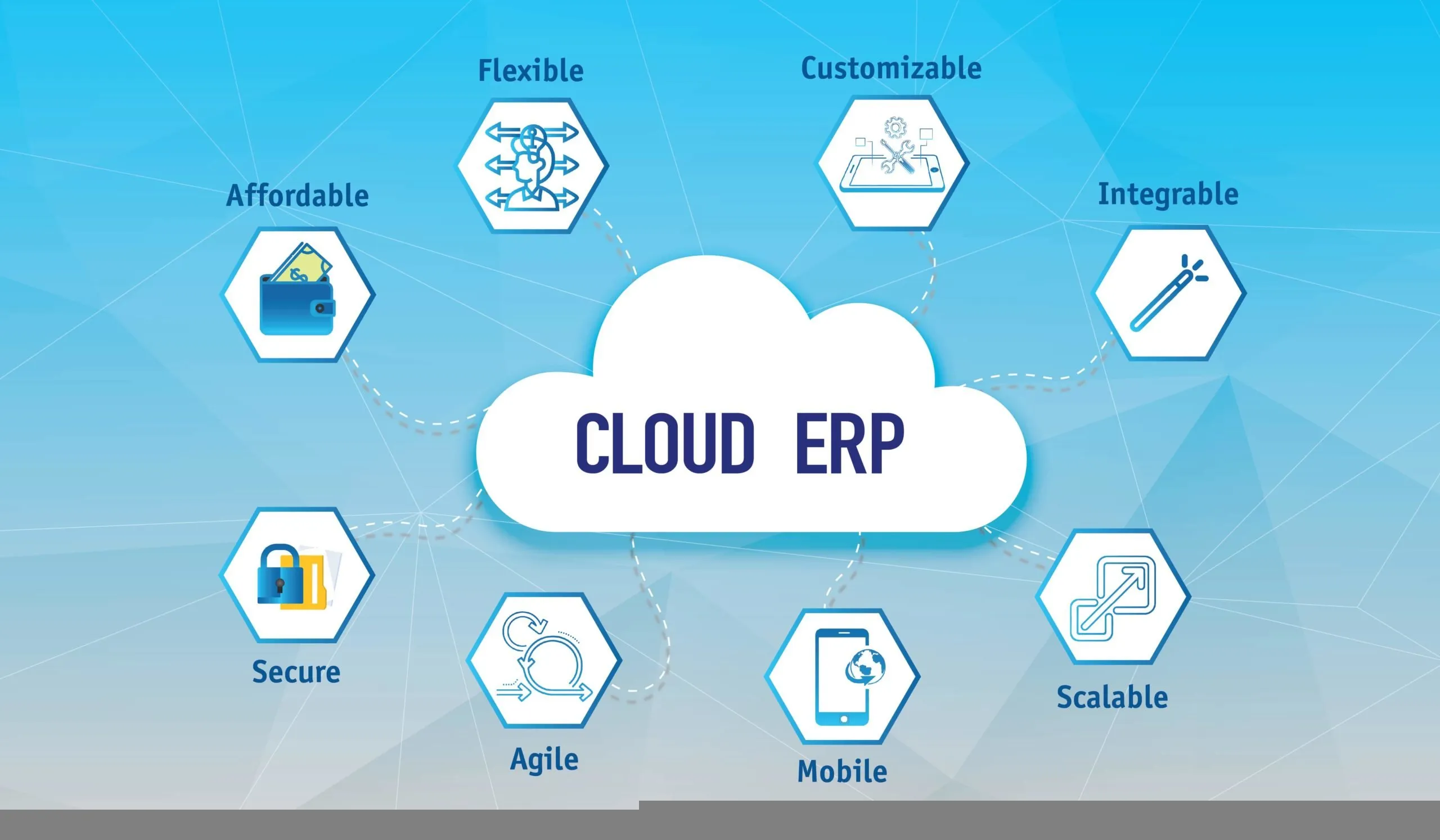
Hey there, fellow manufacturing business owners! Are you looking to streamline your operations, improve efficiency, and boost overall productivity? Well, look no further than ERP solutions. Enterprise Resource Planning (ERP) systems are designed to integrate various business functions and processes into a single platform, providing you with real-time data and insights to make better-informed decisions. In this article, we will explore the numerous benefits that ERP solutions can offer to manufacturing businesses of all sizes. So, sit back, relax, and let’s dive into how ERP solutions can revolutionize your operations!
Streamlining Production Processes with ERP
Implementing an ERP solution for manufacturing can significantly improve efficiency and visibility within your production processes. By utilizing advanced technology such as automation, real-time data tracking, and analytics, ERP systems provide manufacturers with a comprehensive toolset to streamline their operations. From inventory management to production scheduling, ERP software offers a centralized platform for managing all aspects of the manufacturing process.
One of the key benefits of ERP for manufacturing is the ability to automate repetitive tasks, reducing the need for manual intervention and minimizing the risk of errors. With features such as automated data entry, barcode scanning, and real-time monitoring, ERP systems can help manufacturers optimize their production workflows and reduce production cycle times. This automation not only improves operational efficiency but also frees up valuable resources that can be allocated to more strategic tasks.
Furthermore, ERP software enables manufacturers to gain real-time visibility into their production processes, allowing them to track the progress of production orders, monitor inventory levels, and identify potential bottlenecks. By leveraging the power of analytics and reporting tools, manufacturers can analyze production data and make data-driven decisions to optimize their processes. This visibility into production metrics empowers manufacturers to proactively address issues, improve resource allocation, and enhance overall productivity.
Another crucial aspect of ERP for manufacturing is the ability to optimize production scheduling. With integrated scheduling tools, manufacturers can create production schedules based on real-time demand forecasts, production capacity, and lead times. By synchronizing production schedules with inventory levels and supplier deliveries, manufacturers can minimize lead times, reduce stockouts, and improve on-time delivery performance. This streamlined approach to production scheduling not only enhances customer satisfaction but also helps manufacturers meet production targets and maximize efficiency.
Overall, implementing an ERP solution for manufacturing can revolutionize the way manufacturers manage their production processes. By streamlining operations, automating tasks, and gaining real-time visibility, ERP systems enable manufacturers to optimize their production workflows, improve efficiency, and ultimately drive business growth. With the right ERP software in place, manufacturers can stay competitive in today’s fast-paced market and achieve operational excellence.
Enhancing Supply Chain Management through ERP
Enterprise Resource Planning (ERP) systems have revolutionized the way manufacturing companies manage their supply chain operations. By integrating various functions such as inventory management, production planning, and procurement, ERP solutions have helped organizations streamline their processes and improve overall efficiency.
One of the key benefits of using ERP for supply chain management is enhanced visibility. With real-time data and analytics, manufacturers can track their inventory levels, production progress, and order statuses at any given time. This level of visibility not only helps in making informed decisions but also enables companies to anticipate potential supply chain disruptions and take proactive measures to mitigate risks.
Furthermore, ERP systems facilitate better communication and collaboration among different stakeholders in the supply chain. By providing a centralized platform for sharing information and communicating updates, manufacturers can ensure that all parties involved are on the same page, reducing errors and delays in the process.
ERP solutions also offer advanced forecasting and planning capabilities, allowing manufacturers to optimize their production schedules and inventory levels based on demand forecasts and market trends. By automating the planning process and considering various factors such as lead times, resource availability, and capacity constraints, companies can minimize excess inventory and stockouts, leading to cost savings and improved customer satisfaction.
Another significant advantage of using ERP for supply chain management is improved efficiency. By automating manual tasks and workflows, manufacturers can eliminate redundant processes and reduce the likelihood of human error. This not only saves time but also improves the overall accuracy and reliability of information, ultimately leading to better decision-making and performance.
Moreover, ERP systems enable manufacturers to build stronger relationships with their suppliers and customers. By providing visibility into demand patterns, inventory levels, and production schedules, companies can collaborate more effectively with their partners to meet changing market demands and deliver products on time. This level of collaboration not only strengthens relationships but also fosters innovation and continuous improvement within the supply chain.
In conclusion, ERP solutions play a crucial role in enhancing supply chain management for manufacturing companies. By providing visibility, fostering collaboration, optimizing planning, and improving efficiency, ERP systems enable organizations to streamline their processes, reduce costs, and deliver superior customer service. With the right ERP solution in place, manufacturers can gain a competitive edge in the market and achieve long-term success in today’s dynamic business environment.
Improving Inventory Control with ERP Systems
Inventory control is a crucial aspect of manufacturing operations as it directly impacts production efficiency, customer satisfaction, and overall profitability. Implementing an ERP system tailored for manufacturing can greatly enhance inventory management capabilities and streamline the entire supply chain process.
One of the key features of ERP systems is real-time inventory tracking. This means that manufacturers can monitor the movement of raw materials, work-in-progress, and finished goods at all times. This visibility allows for better planning and decision-making, as managers can accurately assess stock levels, identify bottlenecks, and prevent stockouts or overstocks. With ERP systems, manufacturers can also set up automated alerts for reordering materials, ensuring that inventory levels are always optimal.
Furthermore, ERP systems offer robust reporting and analytics tools that provide detailed insights into inventory performance. These tools can generate reports on inventory turnover rates, stock discrepancies, and procurement costs, enabling manufacturers to identify areas for improvement and cost savings. With this data-driven approach, companies can make more informed inventory management decisions and optimize their supply chain processes.
Another benefit of using ERP systems for inventory control is integration with other business functions. ERP systems can seamlessly connect inventory management with purchasing, production, sales, and finance departments, creating a unified flow of information across the organization. This integration eliminates silos and improves communication between different departments, leading to faster decision-making and greater operational efficiency. For example, when sales teams receive an order, the ERP system can automatically update inventory levels and trigger production orders to fulfill the demand, ensuring timely delivery to customers.
Moreover, ERP systems can enhance inventory control through advanced features such as demand forecasting and inventory optimization. By analyzing historical sales data, market trends, and production capacities, ERP systems can accurately predict future demand and suggest optimal inventory levels. This proactive approach minimizes stockouts, reduces excess inventory, and improves overall inventory turnover rates. Manufacturers can also leverage ERP systems to implement just-in-time inventory management practices, reducing carrying costs and increasing cash flow.
In conclusion, implementing an ERP system tailored for manufacturing can significantly improve inventory control and enhance overall operational efficiency. With real-time tracking, robust reporting tools, seamless integration, and advanced features like demand forecasting, ERP systems provide manufacturers with the visibility and insights needed to optimize inventory management processes and stay competitive in the market.
Boosting Efficiency and Productivity with ERP Solutions
ERP solutions for manufacturing play a crucial role in boosting efficiency and productivity in various ways. One of the key features of ERP systems is the integration of different processes within a manufacturing plant. By centralizing data and automating tasks such as inventory management, supply chain management, production scheduling, and quality control, ERP solutions eliminate the need for manual data entry and reduce the chances of errors. This streamlining of processes not only saves time but also improves accuracy in tracking and managing resources.
Furthermore, ERP solutions provide real-time visibility into all aspects of the manufacturing process. Managers can easily access data on production status, inventory levels, customer orders, and financial performance through customized dashboards and reports. This level of transparency allows for better decision-making, as managers can quickly identify bottlenecks, adjust production schedules, and allocate resources efficiently. With instant access to key performance indicators, manufacturers can proactively address issues before they escalate, ultimately improving overall productivity.
Another way ERP solutions enhance efficiency is by facilitating collaboration among different departments and stakeholders. With a centralized database that stores all relevant information, employees across various functions can easily communicate and share data. For example, sales teams can access real-time inventory data to provide accurate lead times to customers, while production teams can adjust schedules based on demand forecasts from sales. This seamless flow of information eliminates silos and improves coordination, leading to faster response times and smoother operations.
Moreover, ERP solutions help manufacturers optimize their resource utilization. By analyzing historical data and trends, ERP systems can identify opportunities to reduce waste, minimize downtime, and improve overall equipment effectiveness. Through predictive analytics and machine learning algorithms, manufacturers can forecast demand more accurately, optimize production schedules, and reduce inventory holding costs. With better resource planning and allocation, manufacturers can operate more efficiently and meet customer demands more effectively.
In conclusion, ERP solutions for manufacturing are essential tools for boosting efficiency and productivity in today’s competitive market. By integrating processes, providing real-time visibility, facilitating collaboration, and optimizing resource utilization, ERP systems enable manufacturers to streamline operations, make informed decisions, and ultimately drive business growth. Investing in an ERP solution tailored to the unique needs of a manufacturing plant can help manufacturers stay ahead of the competition and achieve long-term success.
Enhancing Quality Control in Manufacturing with ERP
Quality control is a crucial aspect of manufacturing that directly impacts the success of a business. With the implementation of an ERP solution, manufacturers can greatly enhance their quality control processes and ensure that only top-notch products reach the market. ERP systems provide a centralized platform where all quality control data is collected and analyzed in real-time, allowing for quick identification and resolution of any issues that may arise.
One of the key ways ERP enhances quality control in manufacturing is through the automation of quality assurance processes. By integrating quality control procedures into the ERP system, manufacturers can automate tasks such as inspections, testing, and compliance checks. This not only saves time and reduces the risk of human error, but also ensures consistency in quality control practices across the organization.
Furthermore, ERP systems offer advanced analytics and reporting capabilities that provide manufacturers with valuable insights into their quality control processes. By analyzing the data collected through the ERP system, manufacturers can identify trends, patterns, and areas for improvement in their quality control practices. This enables them to make informed decisions that lead to enhanced product quality and customer satisfaction.
Another benefit of using an ERP solution for quality control in manufacturing is the ability to track and trace products throughout the production process. With real-time visibility into the entire supply chain, manufacturers can quickly identify any quality issues and take corrective action before they escalate. This not only helps in maintaining high product standards but also improves overall efficiency and reduces the risk of costly recalls.
Additionally, ERP systems allow manufacturers to set up quality control checkpoints at various stages of production, ensuring that quality standards are met at every step. By defining quality control criteria and parameters in the ERP system, manufacturers can monitor and enforce quality standards consistently, leading to improved product quality and customer satisfaction.
In conclusion, an ERP solution is a powerful tool that can greatly enhance quality control in manufacturing. By automating processes, providing advanced analytics, enabling product traceability, and enforcing quality standards, ERP systems help manufacturers ensure that their products meet the highest quality standards. This not only leads to improved customer satisfaction but also boosts efficiency, reduces costs, and ultimately drives business success.
Originally posted 2025-08-23 15:36:46.