The title for the article could be:
Welcome to the world of modern manufacturing, where technology plays a crucial role in streamlining processes and increasing efficiency. In today’s fast-paced business environment, companies are constantly looking for ways to revolutionize their manufacturing processes in order to stay ahead of the competition. One such solution that has been gaining popularity is Enterprise Resource Planning (ERP) software. By integrating various functions such as inventory management, supply chain planning, and production scheduling into one centralized system, ERP solutions are helping manufacturers improve productivity, reduce costs, and make better-informed decisions. In this article, we will explore how ERP solutions are transforming the manufacturing industry and revolutionizing the way businesses operate.
ERP Solutions Transforming Manufacturing Operations
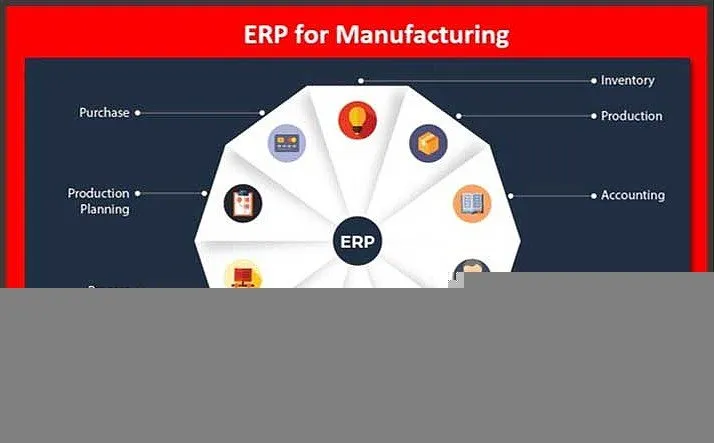
ERP solutions have revolutionized the way manufacturing operations are managed and executed. These software systems are designed to streamline and automate various processes in the manufacturing industry, leading to increased efficiency, reduced costs, and improved overall performance. By integrating different aspects of a manufacturing business, such as inventory management, production planning, scheduling, and quality control, ERP solutions provide a comprehensive and centralized platform for decision-making and resource allocation.
One of the key benefits of ERP solutions in manufacturing is the ability to improve process visibility and transparency. By consolidating data from different departments and functions into a single database, manufacturers can easily track and monitor the flow of materials, resources, and information throughout the production cycle. This real-time visibility allows for better decision-making, reduces the risk of errors and delays, and enables companies to optimize their resources for maximum efficiency.
Another significant advantage of ERP solutions in manufacturing is their ability to enhance collaboration and communication among different stakeholders within the organization. With features such as automated workflows, task assignments, and notifications, ERP systems enable employees to work together more effectively, share information and insights, and coordinate their activities to meet production goals and deadlines. This collaborative approach fosters a culture of teamwork and accountability, leading to higher productivity and quality standards.
Furthermore, ERP solutions offer advanced analytics and reporting functionalities that help manufacturers gain valuable insights into their operations and performance. By analyzing key performance indicators (KPIs), trends, and patterns in the data collected by the ERP system, companies can identify areas for improvement, set benchmarks for success, and make informed decisions based on accurate and up-to-date information. These analytics capabilities allow manufacturers to continuously optimize their processes, reduce waste, and respond quickly to changing market demands and customer needs.
In addition to improving operational efficiency and decision-making, ERP solutions also play a crucial role in compliance and risk management for manufacturing businesses. By standardizing processes, ensuring data accuracy, and maintaining audit trails, ERP systems help companies meet regulatory requirements, adhere to industry standards, and mitigate potential risks such as product defects, supply chain disruptions, or cybersecurity threats. This compliance-minded approach not only protects the company’s reputation and bottom line but also builds trust with customers, suppliers, and other stakeholders.
In conclusion, ERP solutions have transformed manufacturing operations by providing a powerful and integrated platform for managing and optimizing business processes. By enhancing visibility, collaboration, analytics, and compliance, these software systems enable manufacturers to operate more efficiently, competitively, and responsibly in today’s fast-paced and complex industrial environment.
Key Features of ERP Systems for Manufacturing
ERP systems have revolutionized the way manufacturing companies operate by providing a comprehensive suite of tools to streamline processes and increase efficiency. Here are some key features of ERP systems designed specifically for the manufacturing industry:
1. Inventory Management: One of the most critical features of an ERP system for manufacturing is its ability to manage inventory effectively. ERP software can track raw materials, work-in-progress inventory, and finished goods in real-time. This helps manufacturers optimize their inventory levels, reduce carrying costs, and prevent stockouts.
2. Production Planning and Scheduling: A robust ERP system offers advanced tools for production planning and scheduling. Manufacturers can create detailed production schedules, estimate lead times, and allocate resources efficiently. By integrating production planning with other modules such as inventory and procurement, ERP systems ensure that manufacturing processes run smoothly and on time.
3. Quality Control: Maintaining high-quality standards is essential for manufacturing companies to meet customer expectations and comply with industry regulations. ERP systems provide features for quality control, such as inspection checklists, testing protocols, and non-conformance tracking. This helps manufacturers identify and address quality issues before they affect the end product.
4. Shop Floor Management: ERP systems for manufacturing include modules for shop floor management, which enable real-time monitoring of production activities. Manufacturers can track work orders, monitor machine performance, and allocate resources dynamically. This visibility into the shop floor helps companies identify bottlenecks, optimize production workflows, and improve overall efficiency.
5. Supply Chain Management: Effective supply chain management is crucial for manufacturers to ensure the timely delivery of materials and components. ERP systems offer features for supply chain management, such as supplier relationship management, demand forecasting, and order tracking. By integrating supply chain processes with production planning, manufacturers can minimize lead times, reduce costs, and improve collaboration with suppliers.
6. Cost Estimation and Analysis: ERP systems provide tools for cost estimation and analysis to help manufacturers make informed decisions about pricing, profitability, and resource allocation. Manufacturing companies can conduct cost simulations, analyze production costs, and identify areas for cost-saving opportunities. This data-driven approach enables manufacturers to improve their bottom line and make strategic business decisions.
Overall, ERP systems for manufacturing offer a comprehensive set of features designed to optimize manufacturing processes, improve operational efficiency, and drive business growth. By leveraging the key features of ERP systems, manufacturing companies can stay competitive in today’s fast-paced and complex global market.
Benefits of Implementing ERP in Manufacturing Industry
Enterprise Resource Planning (ERP) systems have become indispensable tools for businesses across various industries, including manufacturing. These systems offer a wide range of benefits to manufacturers, helping them streamline operations, improve efficiency, and enhance overall productivity. Below are some of the key advantages of implementing ERP in the manufacturing industry:
1. Improved Efficiency and Productivity: ERP systems help manufacturers automate and streamline their processes, resulting in improved efficiency and overall productivity. By consolidating all business processes into a single integrated system, employees can access real-time data and make informed decisions quickly. This eliminates manual tasks, reduces errors, and delays, ultimately increasing operational efficiency.
2. Enhanced Collaboration and Communication: ERP systems enable better communication and collaboration among different departments within a manufacturing organization. With a centralized database, employees can easily share information, track progress, and work together more effectively towards common goals. This leads to improved coordination, reduced duplication of efforts, and faster decision-making processes.
3. Better Inventory Management: One of the key benefits of implementing ERP in the manufacturing industry is improved inventory management. ERP systems provide real-time visibility into inventory levels, enabling manufacturers to track and control raw materials, work-in-progress, and finished goods more efficiently. This helps in reducing excess inventory, minimizing stockouts, and optimizing inventory levels to meet customer demands effectively.
Furthermore, with features such as automated reorder points, demand forecasting, and inventory tracking, ERP systems help manufacturers to optimize their supply chain and reduce carrying costs. By having a better handle on inventory management, manufacturers can improve their cash flow, reduce waste, and enhance overall profitability.
4. Streamlined Production Processes: ERP systems offer manufacturers tools to streamline their production processes, from planning and scheduling to quality control and maintenance. By integrating production data with other business functions, manufacturers can identify bottlenecks, optimize workflows, and improve production efficiency. This leads to faster lead times, better product quality, and increased customer satisfaction.
5. Compliance and Risk Management: ERP systems help manufacturers stay compliant with industry regulations and standards by providing tools for tracking and reporting on key metrics. With features such as audit trails, security controls, and document management, manufacturers can ensure data integrity, traceability, and accountability throughout their operations. Additionally, ERP systems offer risk management tools to identify potential issues, mitigate risks, and implement controls to prevent future problems.
In conclusion, ERP systems offer a wide range of benefits to manufacturing organizations, ranging from improved efficiency and productivity to better inventory management, streamlined production processes, and enhanced compliance and risk management. By implementing ERP, manufacturers can gain a competitive edge, reduce costs, and drive growth in today’s competitive market.
Choosing the Right ERP Solution for Manufacturing Businesses
When it comes to selecting an ERP solution for a manufacturing business, there are several important factors to consider. The right ERP system can streamline operations, improve efficiency, and provide valuable insights into the business. Here are some key considerations to keep in mind when choosing an ERP solution for a manufacturing business:
1. Industry-specific Features: One of the most important factors to consider when choosing an ERP solution for a manufacturing business is how well it caters to the specific needs of the industry. Look for an ERP system that offers features tailored to the unique requirements of manufacturing, such as inventory management, production planning, and quality control.
2. Scalability: As your manufacturing business grows, your ERP system needs to be able to grow with you. Make sure you choose a solution that is scalable and can accommodate your increasing data and user needs. This will help future-proof your business and prevent the need for a costly system upgrade down the line.
3. Integration Capabilities: A good ERP solution should be able to seamlessly integrate with your existing systems and technologies. Look for a solution that offers easy integration with third-party software, such as CRM systems or e-commerce platforms. This will help you streamline processes and ensure that all your systems work together harmoniously.
4. Cloud-Based vs On-Premise: One of the key decisions you’ll need to make when choosing an ERP solution for your manufacturing business is whether to opt for a cloud-based or on-premise system. Cloud-based ERP solutions offer the advantages of lower upfront costs, easy scalability, and anytime, anywhere access. On-premise solutions, on the other hand, can offer greater control and customization options but may require a larger initial investment and ongoing maintenance costs. Consider your business needs, budget, and IT infrastructure before making a decision.
5. Support and Training: Implementing an ERP system can be a complex process, so it’s important to choose a solution provider that offers comprehensive support and training options. Look for a vendor that provides ongoing technical support, training resources, and regular updates to ensure that your team can make the most of the system.
By considering these factors and choosing the right ERP solution for your manufacturing business, you can improve efficiency, streamline operations, and drive growth in your organization.
Case Studies: Successful Implementation of ERP in Manufacturing Sector
Implementing an Enterprise Resource Planning (ERP) solution in the manufacturing sector can be a game-changer for companies looking to streamline operations and improve efficiency. Let’s take a look at some successful case studies of ERP implementation in the manufacturing industry.
Case Study 1: Company X
Company X, a leading manufacturer of automotive parts, decided to implement an ERP solution to improve their production process and inventory management. By integrating their various departments and processes into one system, they were able to track the progress of each order in real-time, reduce inventory levels, and improve on-time delivery rates. The ERP system also allowed them to optimize their production schedules and improve overall efficiency.
Case Study 2: Company Y
Company Y, a furniture manufacturer, struggled with inefficiencies in their supply chain and production process. After implementing an ERP solution, they were able to streamline their operations by automating repetitive tasks, reducing lead times, and improving communication between departments. This resulted in faster production times, reduced costs, and ultimately higher customer satisfaction.
Case Study 3: Company Z
Company Z, a food processing plant, faced challenges with traceability and compliance in their operations. By implementing an ERP solution tailored to the food industry, they were able to track ingredients from supplier to consumer, ensure compliance with regulatory standards, and improve overall quality control. The ERP system also helped them minimize waste and optimize production processes, leading to increased profitability.
Case Study 4: Company W
Company W, a manufacturer of industrial equipment, needed a solution to better manage their complex inventory and production processes. With the help of an ERP system, they were able to automate inventory tracking, improve demand forecasting, and optimize production schedules. This allowed them to reduce lead times, minimize stockouts, and ultimately increase their competitive edge in the market.
Case Study 5: Company V
Company V, a electronics manufacturer, was facing challenges with manual data entry and disparate systems that were causing delays and errors in their operations. They decided to implement an ERP solution that integrated all their processes from sales to production to finance. This resulted in improved visibility across the organization, reduced data entry errors, and streamlined decision-making processes. As a result, Company V was able to increase productivity, reduce costs, and improve customer satisfaction.
These case studies highlight the benefits of implementing an ERP solution in the manufacturing sector. By centralizing operations, improving communication, and optimizing processes, companies can achieve significant improvements in efficiency, profitability, and customer satisfaction. Whether you are a small, medium or large manufacturing company, ERP implementation can be a key driver of success in today’s competitive market.